A Practical Guide to Mattress Materials: What Really Impacts Comfort and Durability
Explore the core components of modern mattresses—from memory foam to natural latex—and learn how each material shapes comfort, support, and longevity. This guide helps buyers decode product specs, compare options, and make smarter choices across leading brands.
Understanding the material family tree
Mattress construction has evolved into a layered science. At the heart of most mattresses lies a combination of support cores and comfort systems, each engineered with a specific purpose. By understanding the primary materials—memory foam, polyfoam, latex, coils, and natural or synthetic fibers—you gain a framework for predicting how a bed will feel over time.
Materials influence four governing aspects of sleep quality: contour and pressure relief, response and motion isolation, support and durability, and temperature regulation. Each material brings strengths and trade-offs. The art of a great mattress lies in balancing these attributes to fit an individual sleeper’s body, posture, and climate.
Memory foam: contour, comfort, and the sleep “hug”
Memory foam remains a cornerstone of contouring comfort. Its viscoelastic properties allow it to cradle pressure points—especially the hips and shoulders—while distributing weight evenly. Modern memory foams, including those engineered for ventilation, often incorporate open-cell structures or cooling infusions that mitigate heat retention. For many sleepers, memory foam offers a balance of body-conforming support and a smooth surface that minimizes motion transfer.
Key considerations when evaluating memory foam:
- Density and ILD (indentation load deflection) guide firmness and support durability. Higher density foams tend to contour more slowly to body heat and resist breakdown over time.
- Open-cell architectures improve breathability, contributing to a cooler night’s rest in warmer environments.
- Gel, graphite, or other cooling additives aim to wick heat away from the body, though results vary by brand and model.
Polyfoam: the backbone of affordability and versatility
Polyurethane foams—commonly referred to as polyfoam—are ubiquitous in budget-to-midrange mattresses and in comfort layers across many constructions. They offer a broad spectrum of firmness profiles and can be engineered to provide responsive lift or slow, progressive contouring. Because polyfoam is highly customizable, manufacturers frequently tune density and firmness to produce distinct feel experiences within the same product line.
Watch for:
- Low-density foams may break in faster and feel less durable over time.
- Hybrid configurations that combine polyfoam with other materials can deliver improved temperature regulation and balanced comfort.
- Certifications and test results indicating chemical safety and off-gassing characteristics.
Latex: natural resilience and enduring comfort
Latex is prized for its responsive feel, durability, and natural resilience. There are two primary varieties: Dunlop and Talalay. Dunlop latex tends to be denser, offering a firmer, more supportive feel with generous pressure relief. Talalay latex often delivers a lighter, more buoyant feel with pronounced contouring characteristics. Both forms are available in natural and synthetic blends, with natural latex favored by sleepers seeking eco-friendly materials and robust durability.
Benefits of latex include:
- Excellent pressure relief with a buoyant rebound that resists the "sinking in" sensation.
- Strong durability and resistance to body indentations over a long lifespan.
- Natural materials can contribute to a cooler sleep surface when paired with breathable covers and ventilation channels.
Considerations:
- Latex can be pricier than memory foam or polyfoam. Buyers should weigh upfront cost against long-term durability.
- Potential sensitivity for individuals with latex allergies; many brands offer certified alternatives or latex-free options.
Coil systems: support architecture and temperature dynamics
Innerspring and hybrid mattresses rely on coil systems to provide core support and response. The design of the coils—whether pocketed, Bonnell, or offset—impacts contour, motion isolation, and edge support. Pocketed coils, often used in hybrid configurations, move independently, reducing motion transfer and allowing targeted support for different body zones. Continuous coils and zoned support systems can tailor firmness to specific regions of the body (notably the shoulders and hips) to improve alignment.
Temperature dynamics in coil-based mattresses are influenced by airflow through the coil layer and by the properties of the comfort layers above. Airflow channels, perforated foams, and breathable fabrics in the quilted cover contribute to a cooler sleeping environment when used in combination with a supportive coil core.
Fibers, fabrics, and foundations: the surface and the stage beneath
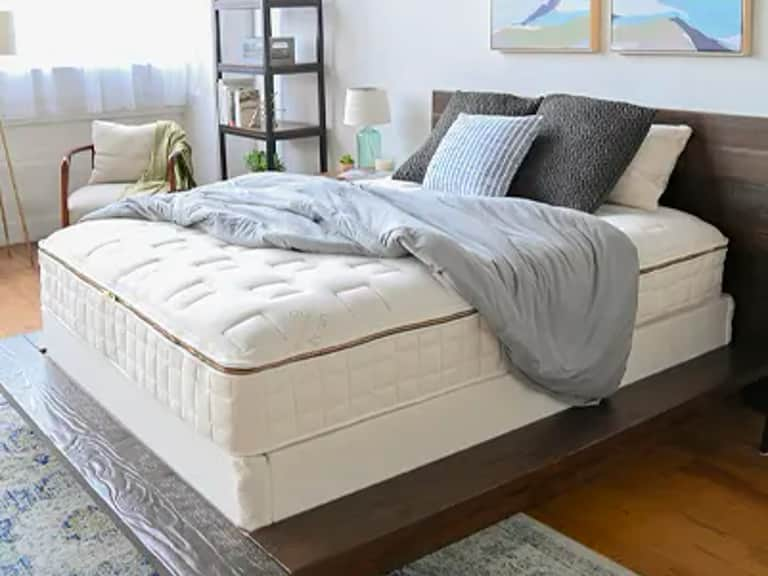
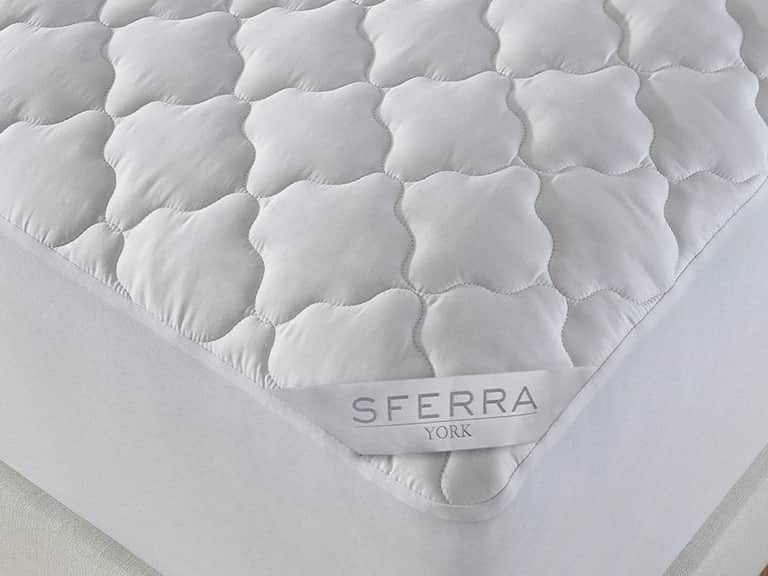
Beyond the core materials, what the mattress is wrapped in and supported by matters. Fabric covers—whether cotton, bamboo, or blended blends—affect surface feel, breathability, and moisture management. The foundation or base support, including box springs or low-profile foundations, influences overall stability and longevity. A well-chosen foundation reduces sagging and preserves the intended feel of the top layers, extending the mattress’s useful life.
Careful attention to surface materials, edge support, and foundation design is essential for achieving the promised performance of the chosen materials. The right combination depends on sleeping position, body weight, climate, and personal preference for firmness or softness.
Reading product specifications: how to decode the jargon
Modern mattresses frequently present a blend of specifications that can overwhelm a first-time shopper. Here is a practical checklist to read product specs more confidently:
- Material claims: Identify the primary comfort layer materials and the core support structure. Look for explicit density ratings for memory foam and latex content percentages for latex components.
- Layer order: Understanding whether memory foam or latex sits atop a polyfoam layer can clarify expected feel and transition in the bed’s performance.
- Firmness scale: Many brands publish a firmness rating ranging from soft to firm. Remember that foam-based beds often feel different at a given label than spring-based ones due to contour and support geometry.
- Durability indicators: Density, thickness of comfort layers, and coil gauge (for hybrids) can serve as rough proxies for longevity.
- Temperature considerations: Ventilation features in foams, cooling infusions, and the design of the cover contribute to heat management.
- Certifications: Look for safety and sustainability certifications (e.g., CertiPUR-US, Global Organic Textile Standard, etc.) as a baseline for healthy materials.
Material comparisons: a quick checklist
To simplify the landscape, consider a quick material comparison framework. Use this checklist when evaluating two or more mattresses side by side:
- Targeted pressure relief: Which areas of the body need more support, and which material best addresses them?
- Response and contour: Do you prefer a plush, slow-responding surface or a more buoyant, responsive feel?
- Thermal comfort: Is heat retention a concern, and does the design offer cooling features?
- Durability and warranty: How will the materials hold up under typical use, and what does the warranty cover?
- Allergies and sensitivities: Are the materials hypoallergenic or free from allergens that matter to you?
A closer look at select brands and material philosophies
Across the market, brands vary in how they combine materials to achieve distinct feels. Some emphasize natural or organic materials, while others optimize for a high-ride price-performance ratio. In this guide, we reference general principles observed in leading lines such as memory-foam-based hybrids, latex-dominant models, and innerspring configurations with varied coil systems. While specific models evolve, the underlying materials provide a consistent lens for evaluation.
For readers who seek real-world exemplars, certain brands prioritize transparency in material sourcing, lifecycle impact, and post-purchase performance. When possible, evaluate customer reviews for feedback on long-term comfort retention and durability, and consider test periods that allow you to trial a mattress in your own bedroom environment.
Practical buying guidance
A thoughtful purchase integrates both science and experience. Here are practical steps to guide your decision:
- Define your sleep priorities: contour versus bounce, pressure relief versus support, and temperature control versus motion isolation.
- Set a realistic budget that reflects your expectations for durability. Consider that higher upfront costs often correlate with longer lifespans unless a sale changes the economics.
- Test strategically: lie on the mattress for extended periods, ideally in your typical sleep position, and assess comfort well beyond a few minutes.
- Assess the return policy and trial period: a generous window reduces the risk of misjudging your purchase.
- Review care and maintenance: some materials require special cleaning or rotation schedules to maintain performance over time.
Connecting materials to overall value
Ultimately, the value of a mattress rests on how well its materials align with your sleep needs and how durable that alignment proves over years of use. A bed that feels superb during the first few nights may not sustain comfort if the top layers begin to sag or heat retention increases. Conversely, a mattress with excellent long-term durability can justify a higher upfront price when it continues to perform as advertised for a decade or more.
In the end, the most important metric is personal comfort paired with credible, transparent information about what lies beneath the surface. By understanding memory foam, polyfoam, latex, and coil systems—and how they interact with fabrics and foundations—you arm yourself with the knowledge to discern value, not just price.
A brief note on relevance to mattressmarkup.com
The domain mattressmarkup.com carries a name that signals an emphasis on pricing structures, value perception, and economic context within the mattress ecosystem. While the material science of sleep surfaces remains timeless, a site with this identity can provide readers with a practical lens to interpret price signals, compare feature sets, and understand how margins, cost structures, and distribution models influence the price-to-value ratio. A responsible, consumer-focused approach would pair rigorous explanations of material properties with transparent guidance on evaluating price in both everyday and premium segments.
Related product note
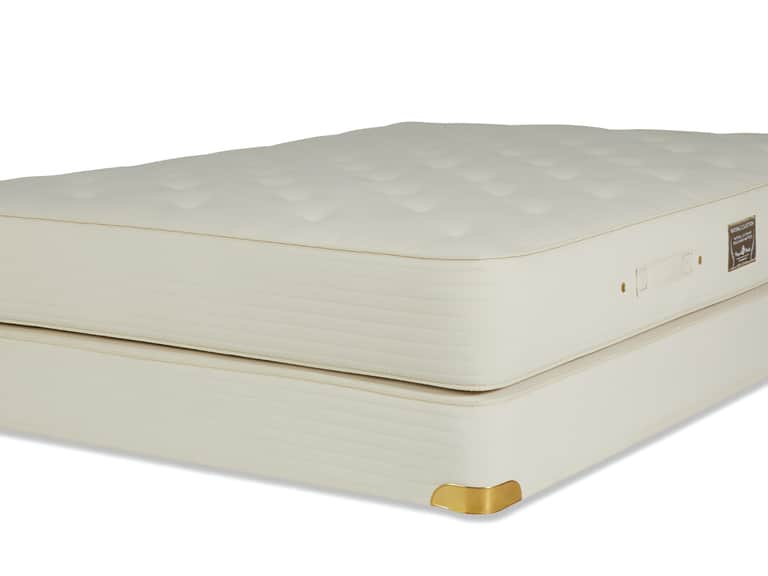
For readers seeking a tangible example of how materials translate into sleep experience, consider the Royal-Pedic Natural Cotton Mattress with Wool Wrap. This product story illustrates a traditional innerspring system paired with natural materials designed for orthopedic support and allergy-conscious use. The combination of premium cotton fill, wool wrap, and Swiss-designed springs demonstrates how material choices interact with construction to shape support and comfort. The price point reflects a premium positioning that aligns with the brand’s emphasis on craftsmanship and material quality. For more information on this model, you can explore the product page at the provided link.
Link to explore: Royal-Pedic Natural Cotton Mattress with Wool Wrap.
Conclusion: making informed choices in a complex landscape
The landscape of mattress materials is both rich and nuanced. While marketing narratives may promise the “best” materials, the truth lies in how those materials perform for your unique physiology, sleep position, and environment. By educating yourself about memory foam, polyfoam, latex, and coil systems—and by learning to read specifications with a critical eye—you can navigate the market with confidence. Comfort, after all, is a personal equation, and durability is a promise backed by transparent materials science and honest testing.
As you compare options, remember that a mattress is a long-term purchase. Prioritize clarity, seek out credible testing and certifications, and give yourself the chance to evaluate the bed in real-life conditions. In the end, the most durable mattress is the one that best supports your body, sustains your sleep quality, and remains a reliable foundation for your daily life.