Crib mattresses are specialized sleep surfaces designed to support infants with safety and comfort in mind. Key features to consider include appropriate firmness to reduce risk of suffocation, pressure distribution to support developing spines, and materials that meet strict safety standards. Understanding mattress construction helps caregivers choose options that promote healthy sleep environments for babies.
When evaluating crib mattresses, attention to materials, certifications, and flame retardancy is essential. Look for low VOCs, microfiber or foam cores with supportive edges, and durable, washable coverings. Organic and natural options may reduce exposure to irritants, while maintaining a firm, uniform surface that supports safe, restful sleep for infants.
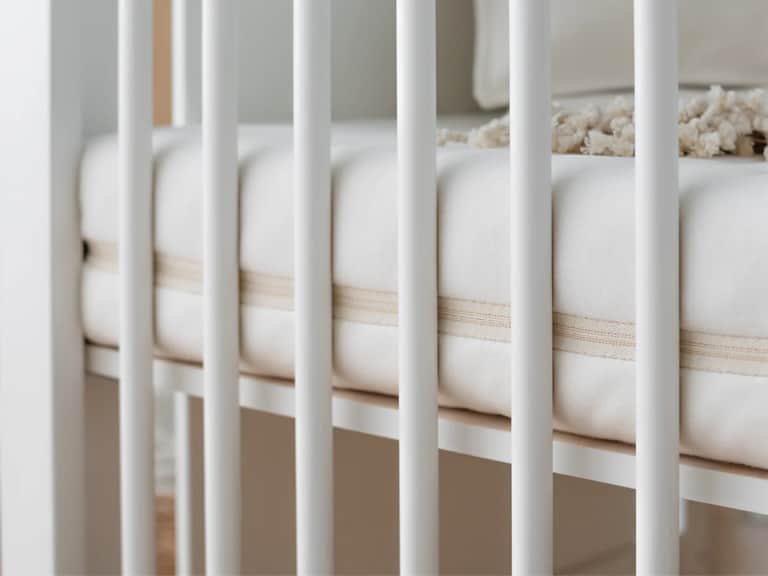
The Obasan Organic Crib Mattress exemplifies a model focusing on chemical-free materials and breathable design. Its organic composition, reinforced core support, and moisture-wicking cover contribute to a stable sleep surface. Functional benefits include easier maintenance, reduced allergen exposure, and consistent support as babies grow over time.
In addition to core composition, crib mattress design often emphasizes ventilation and perimeter stability. Perimeter edge support helps prevent roll-offs, while breathable fabrics facilitate airflow to regulate temperature. For parents and caregivers, understanding these aspects aids in selecting a mattress that maintains hygiene and comfort during naps and nighttime sleep.
Meta keywords such as bedding, pillows, sheets, organic mattresses, and organic crib mattresses reflect the broader sleep ecosystem. A well-chosen crib mattress integrates with compatible bedding materials while prioritizing safety standards and ergonomic support. This category highlights informed choices that align with infant sleep needs and long-term sleep health considerations.
 Nursery