Foam mattresses represent a class of sleep surfaces designed to contour to the body, reduce pressure points, and provide consistent support across the night. They are engineered from various foam formulations, such as memory foam and polyurethane foam, to balance comfort, durability, and motion isolation. The category emphasizes materials, density, and layering to tailor firmness and sleep experience for different sleepers.
Key features to understand include density ratings, foam types, and layering strategies. Higher-density foams generally offer greater support and longevity, while memory foam excels at conforming to body contours and reducing partner disturbance. Layer configurations may combine a comfortable top layer with a firmer support core to optimize pressure relief and durability.
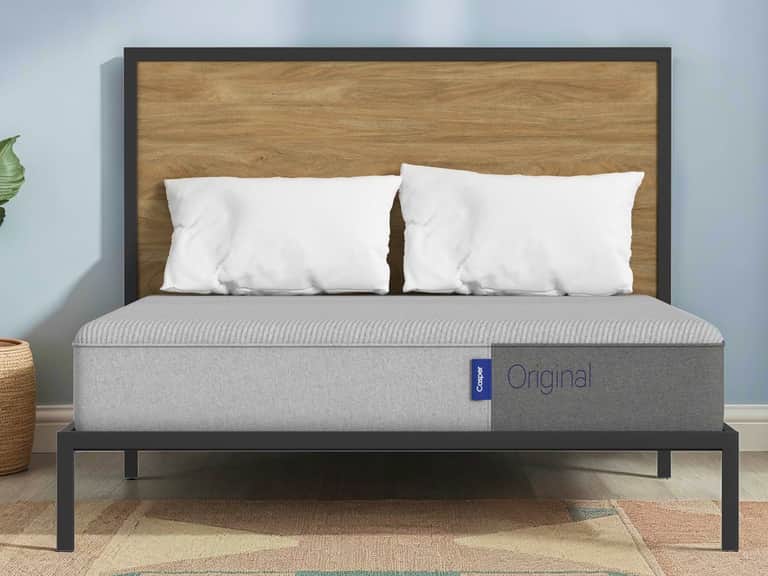
The Original Mattress within this category often emphasizes a balanced feel, combining contouring comfort with reliable support. Its construction typically centers on medium to medium-firm firmness, designed to align the spine and alleviate common pressure areas. Specific foams and temperature regulation technologies contribute to a stable, restful sleep surface.
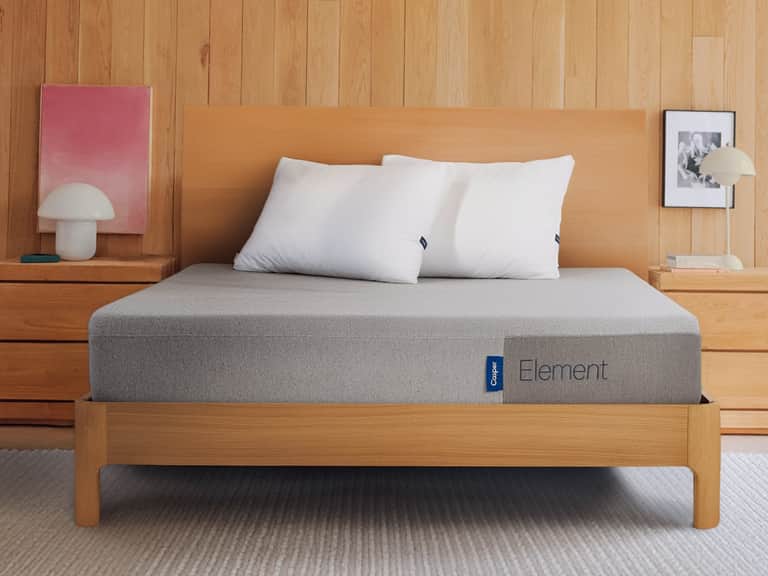
The Element Mattress presents a distinct approach by integrating targeted zoning, responsive foams, and breathable covers to enhance circulation and sleep temperature. Its layered design supports sleepers with varied weights and positions, offering quick recovery and reduced motion transfer for a more undisturbed sleep experience.
In selecting a foam mattress, considerations include sleeping position, body weight, heat management, and longevity. Information about foam density, cover materials, and edge support helps users compare options like organic and non-organic components while ensuring alignment with preferences for bedding compatibility, including pillows, sheets, and organic mattresses. Organic crib mattress considerations may also be relevant for families seeking natural materials.
 Mattresses